

What Is Angiography? Your Complete Guide to Seeing Inside Your Heart’s Blood Vessels
Whether you’ve been told you need an “angiogram,” you’re researching for a loved one, or you’re just curious — this guide breaks down everything you need to know about angiography in simple, reassuring terms.
🫀 What Is Angiography?
Angiography (also called coronary angiogram or cardiac catheterization) is a medical imaging test that allows doctors to see inside the blood vessels of your heart — especially the coronary arteries that supply oxygen-rich blood to your heart muscle.
Think of it as a “live video” of your heart’s plumbing system. It’s the gold standard for diagnosing blockages, narrowing, or other problems in your arteries that could lead to chest pain, heart attack, or heart failure.
💉 How Does It Work?
During the procedure:
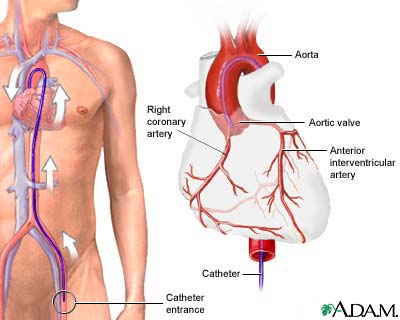
- A thin, flexible tube called a catheter is inserted into an artery — usually in your wrist (radial) or groin (femoral).
- The catheter is gently guided up to your heart using real-time X-ray imaging.
- A special contrast dye is injected through the catheter.
- As the dye flows through your arteries, X-ray cameras capture detailed images — showing exactly where blood flow is smooth… or blocked.
✅ The entire procedure usually takes 30–60 minutes. ✅ You’re awake but given mild sedation to help you relax. ✅ Most patients feel only slight pressure — not pain — at the insertion site.
📌 Why Would You Need an Angiogram?
Your doctor may recommend angiography if you have:
- Chest pain (angina) that isn’t improving with medication
- Abnormal stress test, ECG, or CT scan results
- Symptoms of a heart attack (urgent angiogram!)
- Shortness of breath with exertion
- Planning for heart surgery or valve procedure
- Unexplained heart failure
It’s not just for diagnosis — angiography is often the first step toward treatment. If a blockage is found, your doctor may perform an angioplasty or place a stent during the same procedure.
⚠️ Risks? What You Should Know
While angiography is very safe in experienced hands, like any medical procedure, it has small risks:
- Bleeding or bruising at the catheter site
- Allergic reaction to contrast dye (rare — tell your doctor if you’ve had reactions before!)
- Damage to blood vessels or kidneys (very rare)
- Heart attack or stroke (extremely rare — less than 1 in 1,000)
💡 Good to know: Complications are significantly lower when the catheter is inserted through the wrist (radial approach) — ask your doctor which approach they use!
🕒 What to Expect — Step by Step
Before:
- Fast for 6 hours (usually after midnight)
- Discuss medications — especially blood thinners or diabetes meds
- Arrange a ride home — you won’t be able to drive
During:
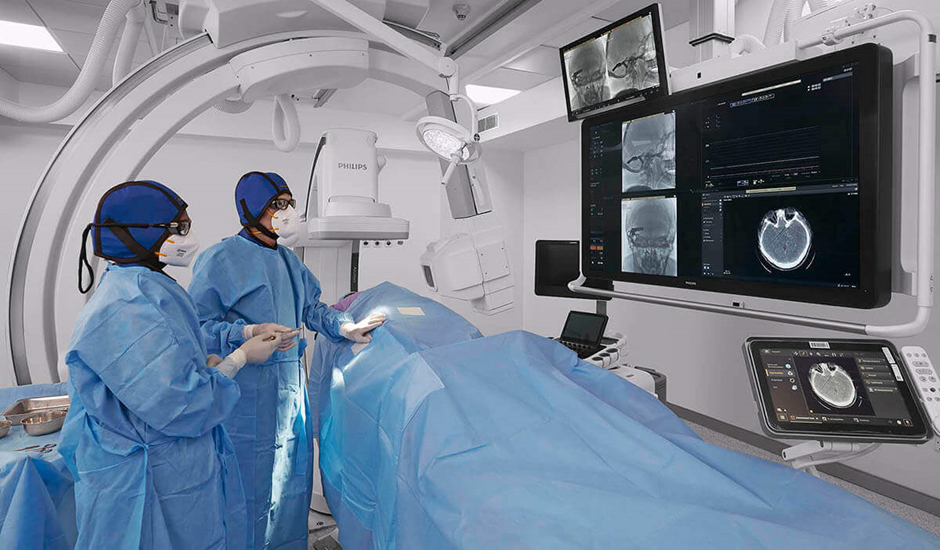
- You’ll lie on a table in a cath lab
- Monitors will track your heart rate and blood pressure
- The area (wrist or groin) will be numbed
- You may feel warmth when the dye is injected — that’s normal!
After:
- You’ll rest in recovery for a few hours
- Drink plenty of water to flush out the dye
- Avoid heavy lifting or strenuous activity for 1–2 days
- Keep the insertion site clean and dry
Most people return to normal activities within 1–2 days.
💬 Real Patient Insight
“I was terrified — but it was easier than my dental implant! The team talked me through everything. When they showed me the blockage on the screen and placed the stent right then and there… I felt like I got my life back.”
— Robert, 62, Angiography + Stent Patient
✅ Why Angiography Can Be Life-Saving
- Detects hidden blockages before a heart attack happens
- Allows immediate treatment — no second procedure needed
- Guides decisions for bypass surgery, stents, or medication
- Gives peace of mind — normal results mean very low risk for cardiac events
❤️ Final Thought
An angiogram isn’t something to fear — it’s a powerful tool that puts you and your doctor in control of your heart’s future. With today’s technology and skilled teams, it’s safer, faster, and more effective than ever.
If your doctor recommends one — don’t delay. It could be the most important test you ever have.