

What Is a Cardiac Stress Test? Your Complete, No-Jargon Guide to Understanding How Your Heart Performs Under Pressure
Shortness of breath when climbing stairs? Chest discomfort during your morning walk? Your doctor mentioned a “stress test” — but what exactly is it? Is it safe? What will happen? And why does it matter?
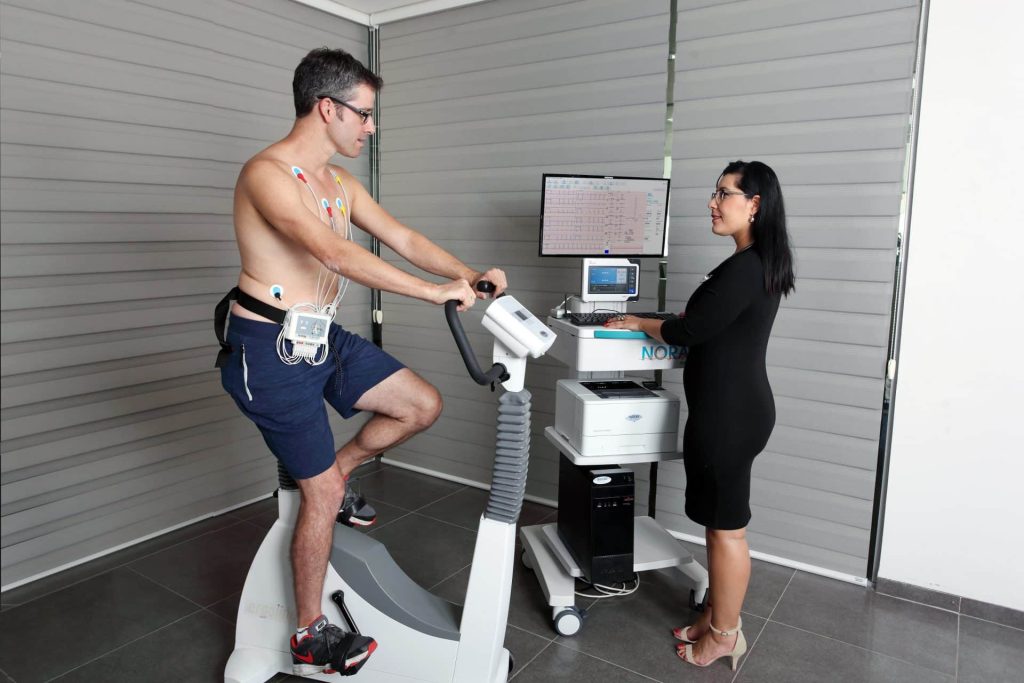
❤️ What Is a Cardiac Stress Test?
A cardiac stress test (also called an exercise stress test or treadmill test) is a diagnostic exam that shows how well your heart works when it’s under physical stress — like walking fast, climbing stairs, or running.
Why stress it? Because some heart problems — like blocked arteries or abnormal rhythms — only show up when your heart is working harder. At rest, everything might look fine. But under pressure? That’s when the truth comes out.
📊 Why Would You Need a Stress Test?
Your doctor may recommend a stress test if you have:
- Unexplained shortness of breath or fatigue
- Palpitations or irregular heartbeats during activity
- A recent diagnosis of heart disease or prior heart attack
- Before starting a new exercise program (if you’re at high risk)
- To evaluate how well your treatment (meds, stents, surgery) is working
It’s also used to: ✔️ Diagnose coronary artery disease (blocked heart arteries)
✔️ Assess safe levels of exercise
✔️ Evaluate heart rhythm changes under stress
✔️ Predict risk of future cardiac events
🧪 How Does It Work?
There are a few types — but the most common is the Exercise ECG Stress Test:
Step-by-Step: What to Expect
-
Prep:
- Electrodes (sticky patches) are placed on your chest, arms, and legs to monitor your ECG.
- A blood pressure cuff is placed on your arm.
- You’ll be on a treadmill (or sometimes a stationary bike).
-
Warm-Up:
- You start walking slowly — pace and incline gradually increase every 3 minutes (using a standard protocol like “Bruce”).
-
Monitoring:
- Your heart rate, blood pressure, ECG, and symptoms are watched closely the entire time.
- Tell the staff immediately if you feel chest pain, dizziness, or extreme fatigue.
-
Goal:
- Reach your “target heart rate” (based on your age) — or until you develop symptoms or ECG changes that require stopping.
-
Cool Down:
- You’ll slow down gradually while monitoring continues for 5–10 minutes after stopping.
⏱️ Total time: 45–60 minutes (including prep and recovery). Actual exercise time: usually 7–12 minutes.
🆚 Types of Cardiac Stress Tests
Not everyone can walk on a treadmill — and sometimes, doctors need more detail. Here are the most common variations:
1. Exercise Stress ECG
- Monitors heart’s electrical activity only.
- Best for people who can exercise and have a normal baseline ECG.
2. Stress Echocardiogram (“Stress Echo”)
- Combines exercise with ultrasound images of your heart before and after.
- Shows if parts of your heart muscle aren’t getting enough blood (wall motion abnormalities).
- More accurate than ECG alone.
3. Nuclear Stress Test (Myocardial Perfusion Imaging)
- Involves injecting a small amount of radioactive tracer before and after exercise.
- A special camera shows blood flow to your heart muscle — highlighting areas with poor flow.
- Excellent for detecting subtle or multi-vessel disease.
4. Pharmacological (Chemical) Stress Test
- For patients who can’t exercise — medication (like Lexiscan, Dobutamine, or Adenosine) is given to simulate exercise effects on the heart.
- Often paired with echo or nuclear imaging.
📈 What Does the Test Reveal?
Your cardiologist will look for:
🔹 ECG Changes — ST-segment depression or elevation can signal reduced blood flow.
🔹 Symptoms — Chest pain, shortness of breath, or dizziness during stress.
🔹 Blood Pressure Response — Failure of BP to rise (or a drop) can indicate heart problems.
🔹 Heart Rate Recovery — How quickly your heart rate returns to normal after stopping — a powerful predictor of risk.
🔹 Imaging Changes (in echo or nuclear tests) — Areas of your heart not contracting well or not receiving enough blood.
🚫 Risks? Very Low — But Good to Know
Stress tests are very safe, especially when supervised by trained professionals. Risks are rare but can include:
- Chest pain or arrhythmia during the test (usually resolves quickly when stopped)
- Dizziness or fainting
- In extremely rare cases — heart attack or serious arrhythmia (less than 1 in 10,000)
💡 Safety First: The test is always stopped if you develop concerning symptoms or ECG changes. Emergency equipment and medications are always on hand.
🧑⚕️ What Happens After the Test?
- Your doctor will review the results — usually within 1–3 days.
- If normal: Great news! It means your heart handles stress well — and significant blockages are unlikely.
- If abnormal: Don’t panic. It means further testing (like CT angiography or cardiac catheterization) may be needed to get more detail — and start the right treatment.
- You’ll get clear next steps — whether that’s lifestyle changes, medication, or advanced procedures.
💬 Real Patient Story
“I thought my leg pain was just getting old. But during my stress test, I got chest tightness at just 3 minutes. Turns out, I had a 90% blockage. They placed a stent the next week — and now I walk 2 miles daily. That test saved my life.”
—Ali, 58
✅ Final Thought
A cardiac stress test isn’t a punishment — it’s a powerful window into how your heart behaves when it’s working hard. It can catch hidden problems before they become emergencies… and give you the confidence to move, live, and thrive.
So lace up those sneakers — or relax and let the meds do the work. Either way, you’re taking control of your heart’s future.